For years our trainees have devoted their efforts to learning fundamentals of medicine and diving deeper into their research interests. However, translational science isn’t just about conducting research; it’s about moving projects into actionable phases. This step requires something often overlooked: effective communication.
In today’s society, there’s a noticeable shift towards valuing voices that are not only knowledgeable but also passionate, engaging, and open for dialogue. Despite recognizing this, many scientists adhere to traditional models of scientific communication that assume a passive audience and focus primarily on facts and logic. Still, this approach needs to change to mitigate the confusion, disengagement, and mistrust that the scientific community often faces.
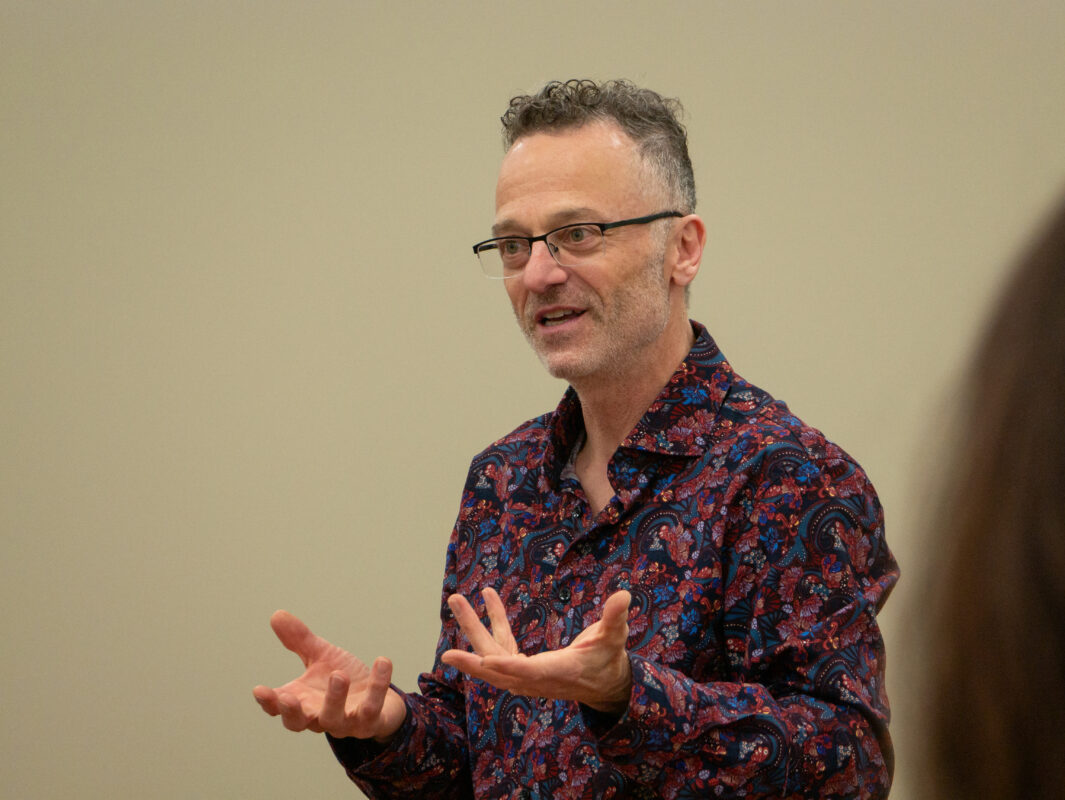
As part of their training, the WashU Medicine Clinical Research Training Center (CRTC) TL1 trainees had the benefit of being joined by University of Minnesota Teaching Specialist Brian Sostek. Through his captivating and interactive workshop, he challenged participants to break the mold of traditional scientific communication and apply techniques that will cultivate understanding, invite engagement, and build trust.
Through constructive and productive exercises, Sostek helped our TL1 trainees and WashU Otolaryngology R25 trainees identify current communication patterns and how they could be improved. Here’s an overview of the exercises they participated in:
| Exercise #1 | Exercise #2 | Exercise #3 | Exercise #4 | Exercise #5 |
| Introduce themselves and share something that no one else in the room knows | Talk about their favorite ice cream or pizza place in St. Louis | Share what they are conducting research on | Listen to details of a volunteer’s morning routine and repeat back last 6 words | Deliver a compelling elevator pitch to engage others with their research |
Exercises #1 and #2: Casual Conversations
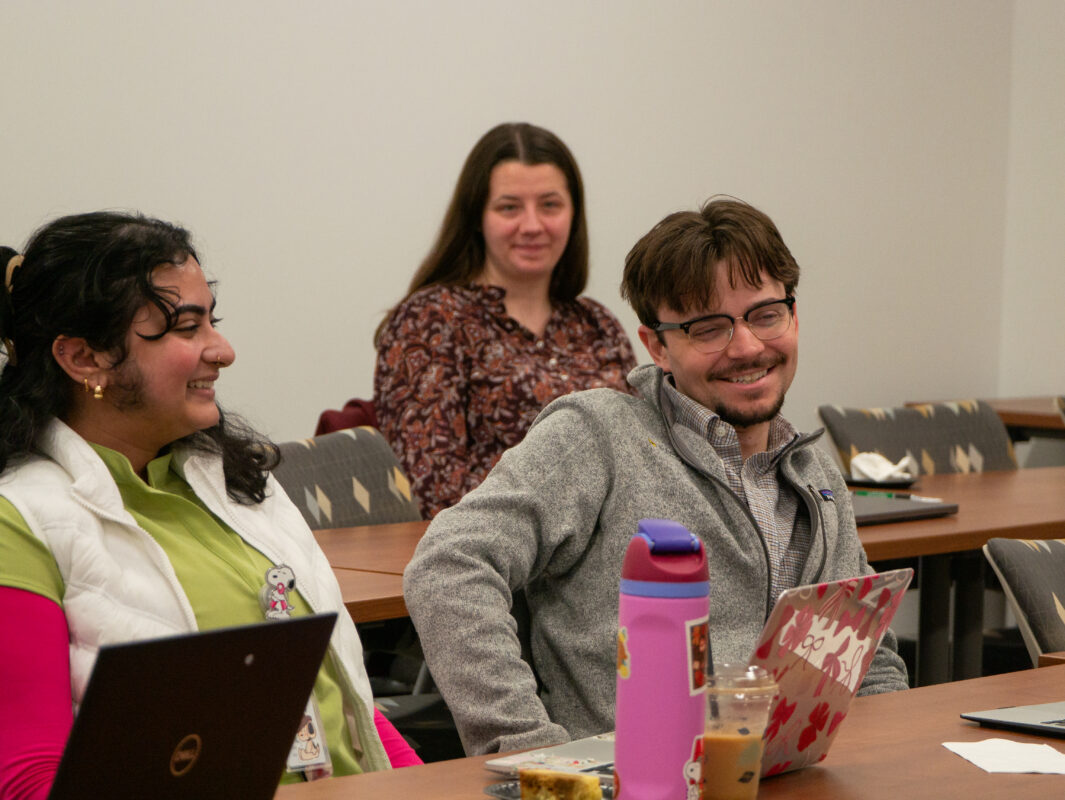
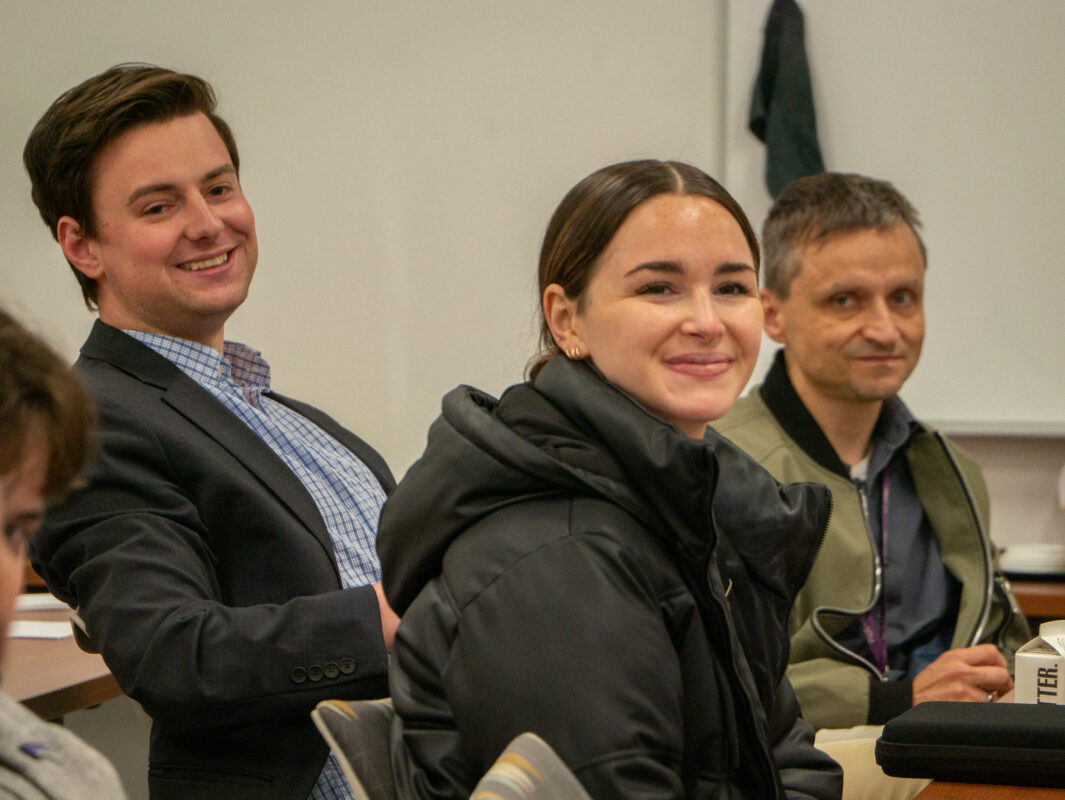
Starting the day with ice breaker activities created an open and inviting environment, and the room was buzzing with energy. Whether sharing random facts about themselves or discussing favorite foods, these activities allowed the participants to be engaged, passionate, and effortlessly expressive. Although these conversations were spontaneous, they showcased the trainees’ existing communication strengths and highlighted the essential connection and comfort needed in communication. However, the next exercise underscored how quickly these attributes can disappear when transitioning to more formal discussions.
Exercise #3: Sharing Science
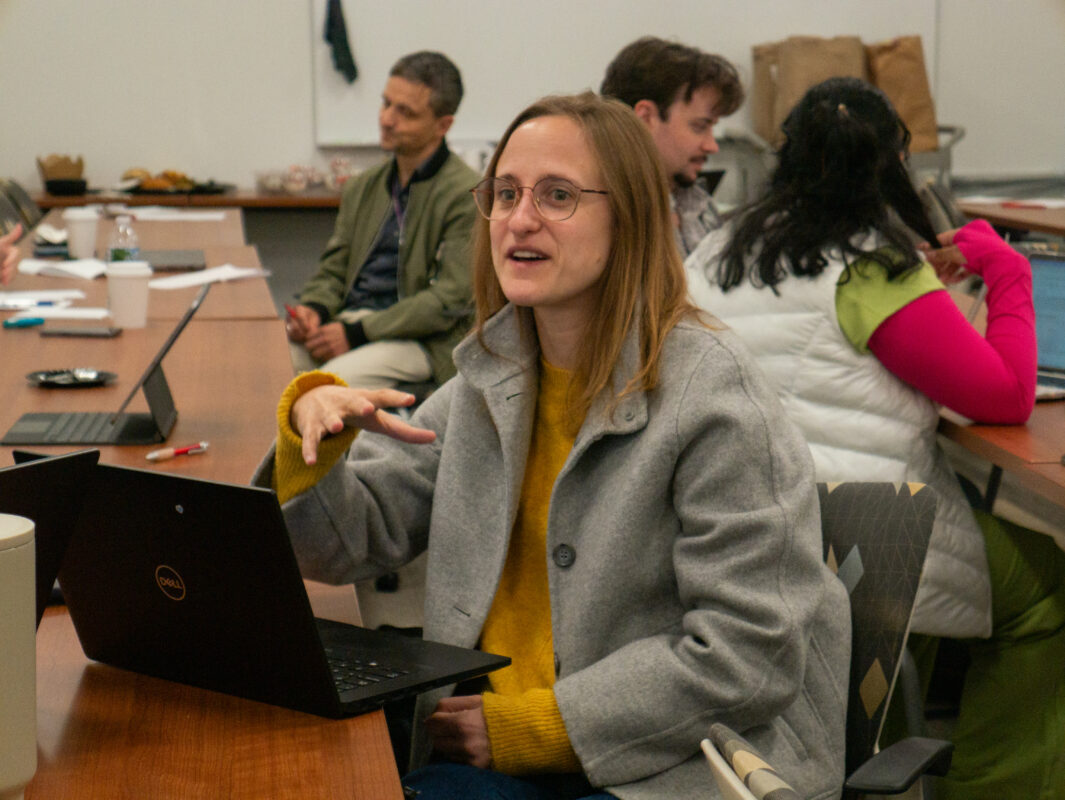
When Sostek asked the group to talk about their research, the room’s atmosphere shifted. Smiles faded, and tension crept in as the pressure to not only sound qualified but also to make the audience understand the importance of their work took hold. Conversations that were previously filled with passion were replaced with ones dominated by facts and logic. Whereas before, the trainees were actively listening and building off one another in conversation, some admitted that they started trying to think of their response while their partner was talking. This was where Sostek drilled in on his point: as people presented their science, the connection was lost, but it should be another form of meaningful conversation.
Exercise #4: Active Listening
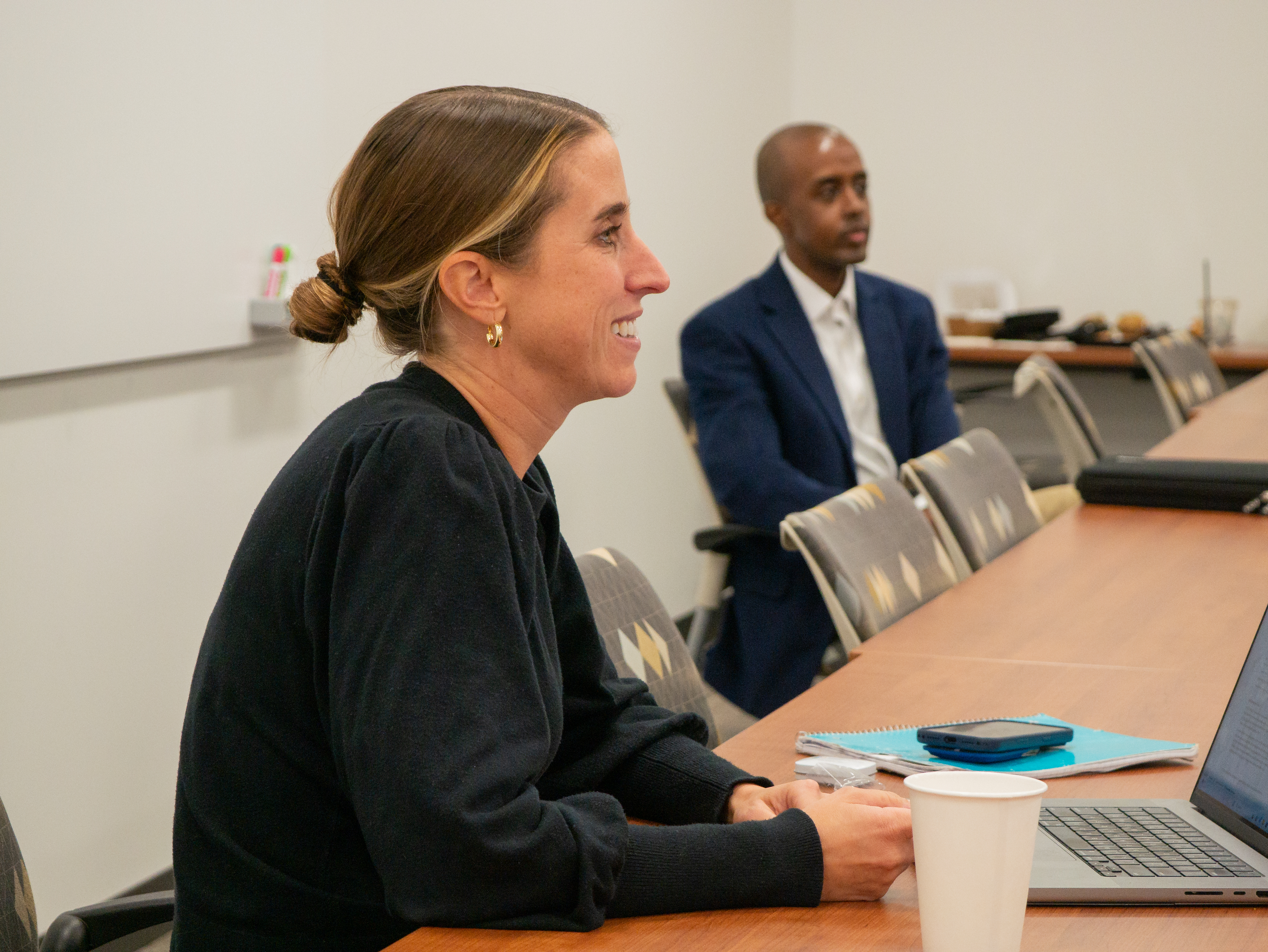
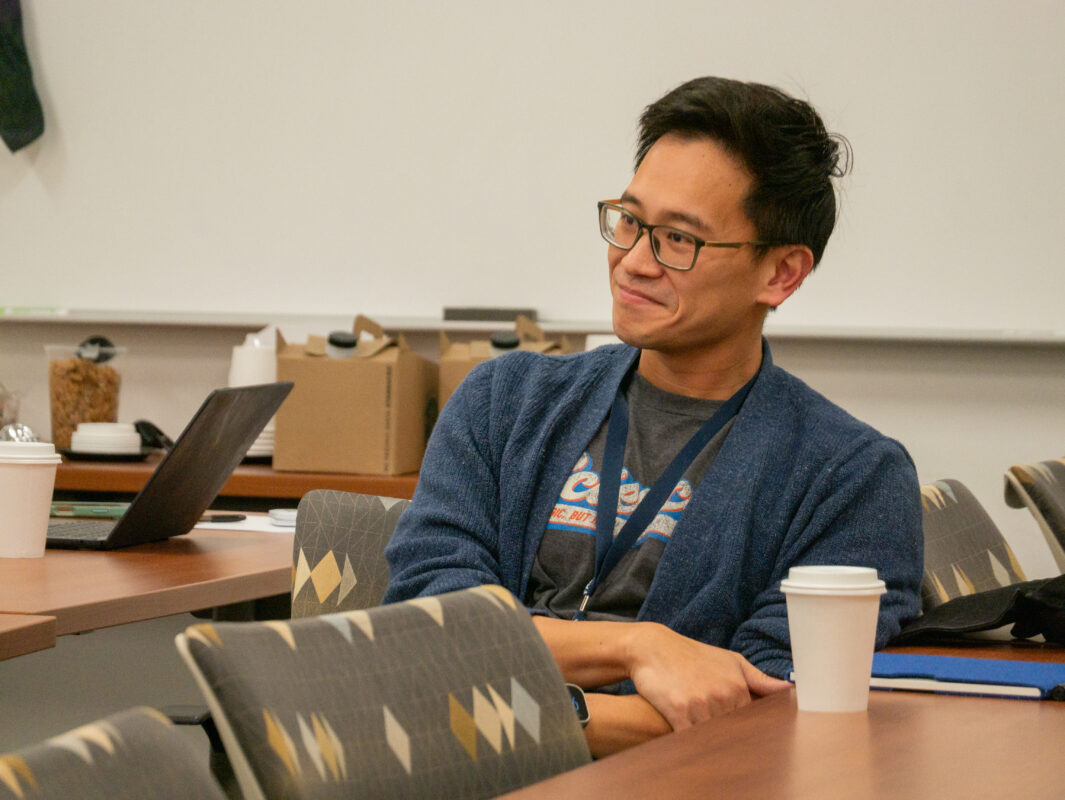
After the previous exercise, Sostek had the group take a step back to reconnect. Although a lot of emphasis is placed on what the speaker has to say, equally important is listening so all parties feel valued. In the active listening exercise, TL1 Program Administrator Adisa Kalkan detailed her morning routine, and the trainees were challenged to recite back her last six words at any given moment. This exercise required a higher level of presence and intentionality than most people are accustomed to in regular conversations. However, they discovered that the more they actively listened, the more curious they became about what was being shared. An activity that otherwise could have been considered mundane transformed into a genuine point of connection, reshaping their approach to engaging in conversations.
Exercise #5: Communicating Value
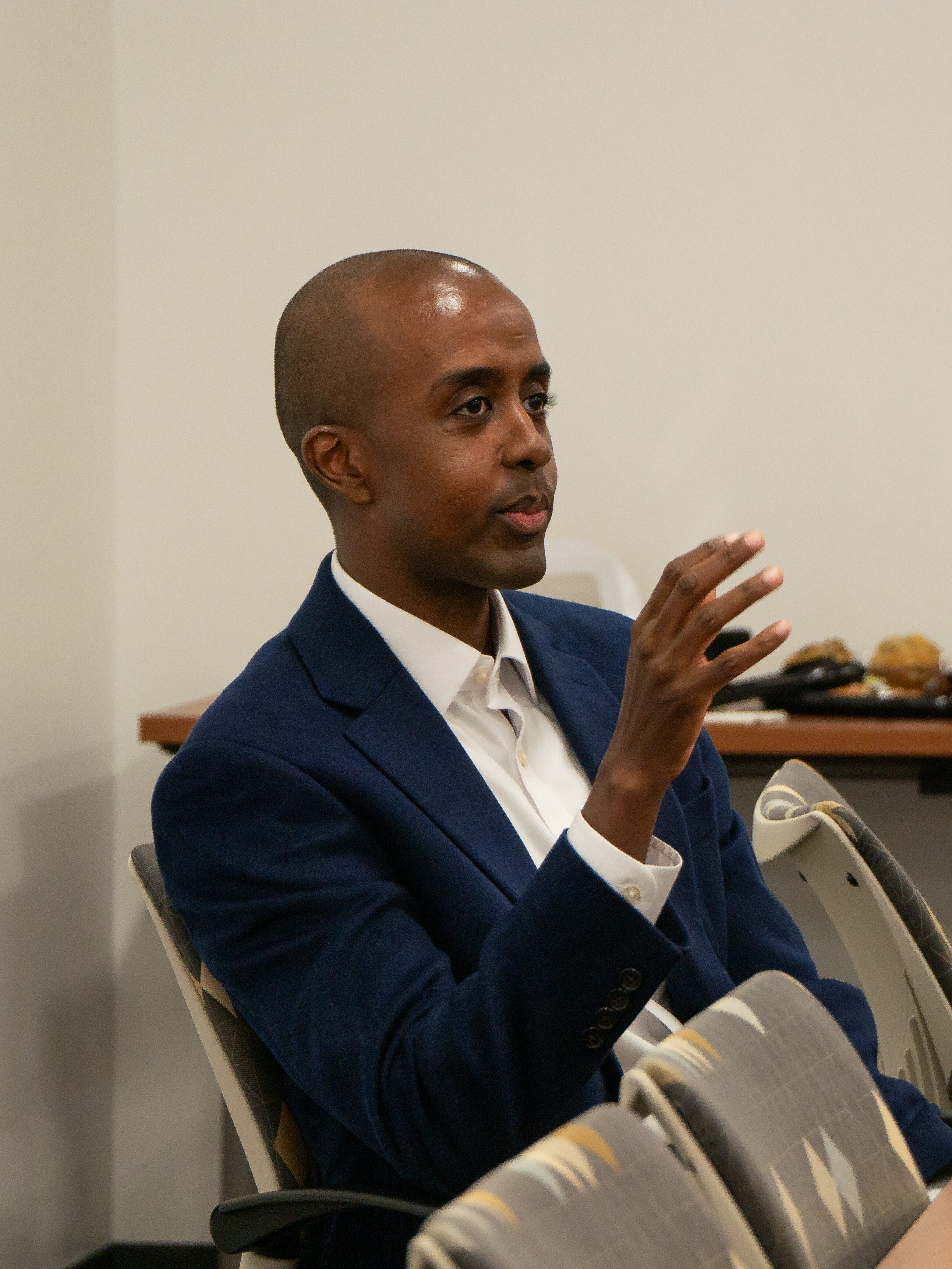
Although the previous exercises each had their own focus, Sostek’s goal was for the trainees to build a strong foundation of communication techniques to ultimately draft compelling elevator pitches for supporting their career endeavors. As trainees shared and refined their elevator pitches throughout the day, they learned how to passionately share their unique role in a position and spark curiosity within a 30-second span. Their confidence grew, and they transitioned from overloading with information to making their research compelling and relatable. This is crucial because whether it’s about improving health regimens, disseminating research, or securing funding, scientific presentations should inspire action.
The improvements throughout the day were tremendous, but it wasn’t just the exercises that made a difference. Sostek imparted frameworks for continuous growth in communication.
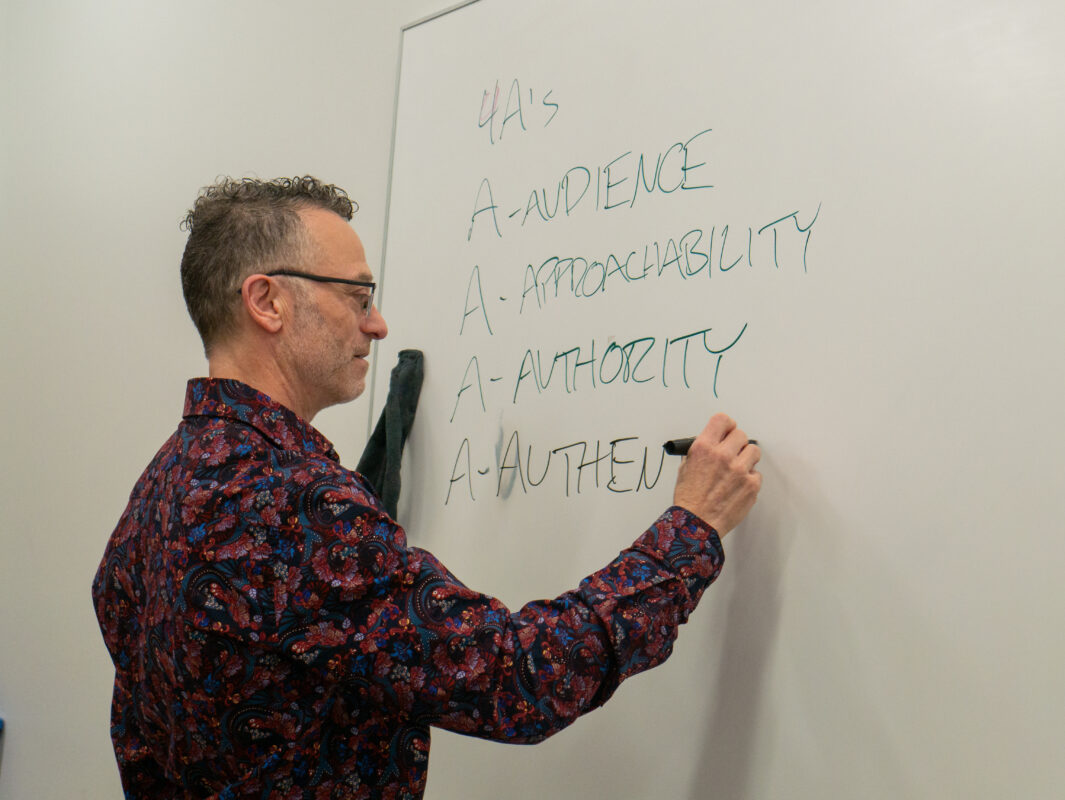
He introduced the “4 A’s” (Audience, Approachability, Authority, Authenticity) and the “4 E’s” (Enticing, Engaging, Enjoyable, Effective), emphasizing the importance of connecting with your audience in a way that is captivating and genuine. Additionally, he encouraged the trainees to incorporate storytelling and ask questions to continually draw in the audience.
Although this workshop is only the beginning, it marks a significant shift. Our trainees are moving from overwhelming audiences with data to cultivating genuine connections that make their presentations memorable and shareable. Each of our trainees is conducting research with the potential to change the world, and we are incredibly grateful to Sostek for equipping them with the tools and confidence to showcase the true value of their work.