Resource sharing, skill enhancement, network building: these are all expectations in a mentor-mentee relationship. A mentor’s responsibility is not only to support their mentee but also to challenge the protégé to reach their full potential. Similarly, cultivating these dynamics among a community of mentors accelerates program success and helps these leaders achieve mentoring excellence.
At Washington University in St. Louis (WashU) numerous grant-funded programs enable scholars to receive specialized training, and mentors are central to this mission of research education. In recent years, the NIH has recognized a need for formal mentor training, but the Office of Training Grants (OTG) at the WashU Medicine Clinical Research Training Center (CRTC) has been making strides in improving mentor experiences since its inception. This office unites research administrators from across the university with resources and support for grant administration. More specifically, the Mentoring Liaison Program (MLP) streamlines mentor training for mentors and scholars by identifying Mentor Champions to spearhead program-specific mentoring curriculums.
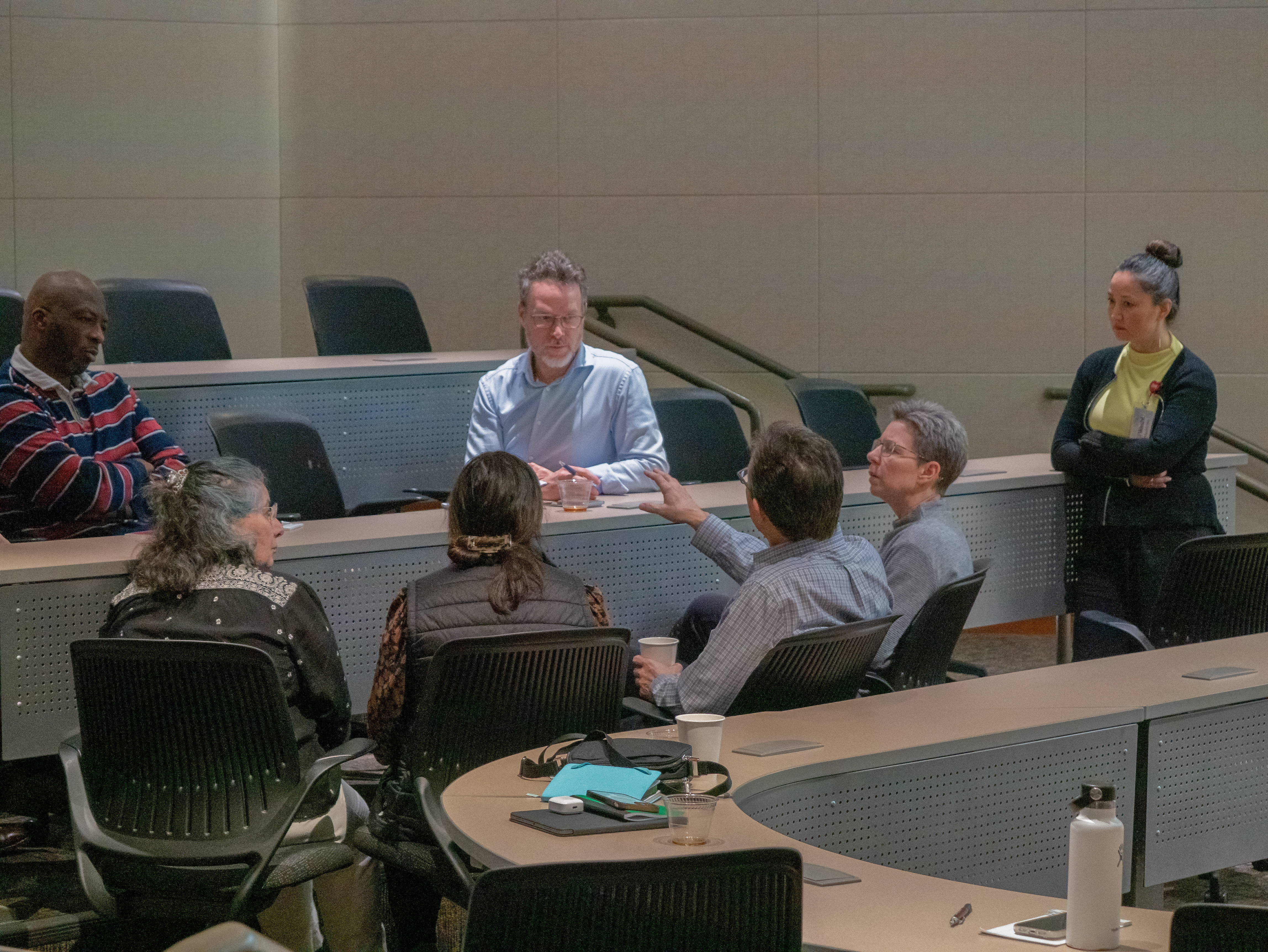
The 2026 MLP Retreat
At the recent 2026 MLP Retreat, Mentor Champions gathered for an informative and interactive review of mentoring practices. Throughout the day, these Mentor Champions reflected the bright future for trainees, WashU programs, and mentoring at large through their dedicated learning, constructive thinking, and meaningful collaboration.
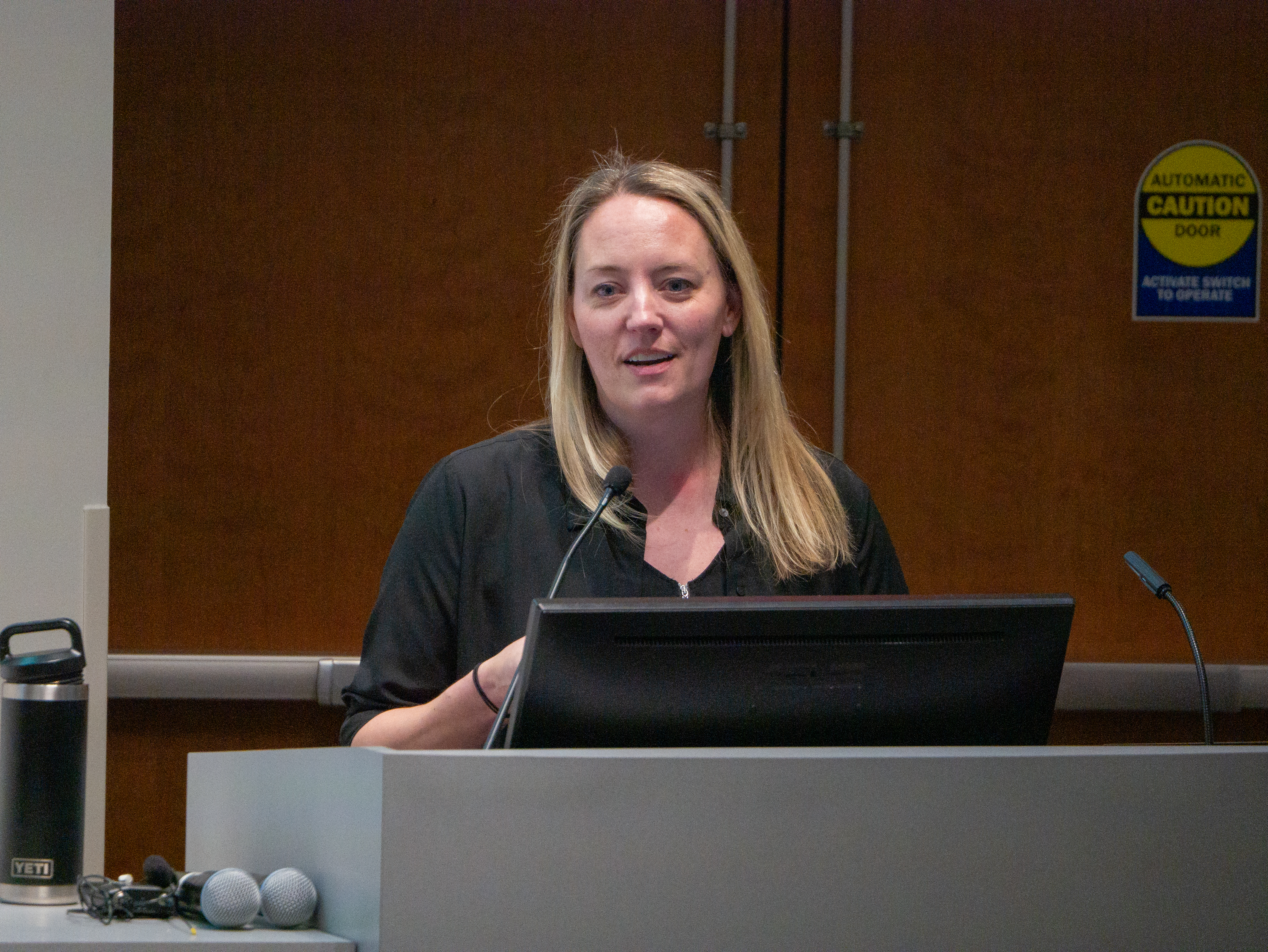
Natalie Niemi, PhD, assistant professor of biochemistry and molecular biophysics, kicked off the retreat by sharing insights that have helped her garner mentoring success. As the 2025 Outstanding Faculty Mentor Awardee, she offered advice on the balancing act of providing mentees with support while pushing them toward research independence. She led attendees through a practical breakdown of what mentorship is and urged them to use human-first approaches to evaluate what a trainee needs at any given moment.
Following Dr. Niemi’s presentation, OTG Director Thomas Baranski, MD, PhD provided resources for advanced mentor training. The OTG has a comprehensive database of resources for both training grants and mentoring. Dr. Baranski specifically highlighted the well-constructed Center for the Improvement of Mentored Experiences in Research (CIMER) resources, but he also challenged the Mentor Champions to think of ways WashU can lead efforts in advancing mentor training.
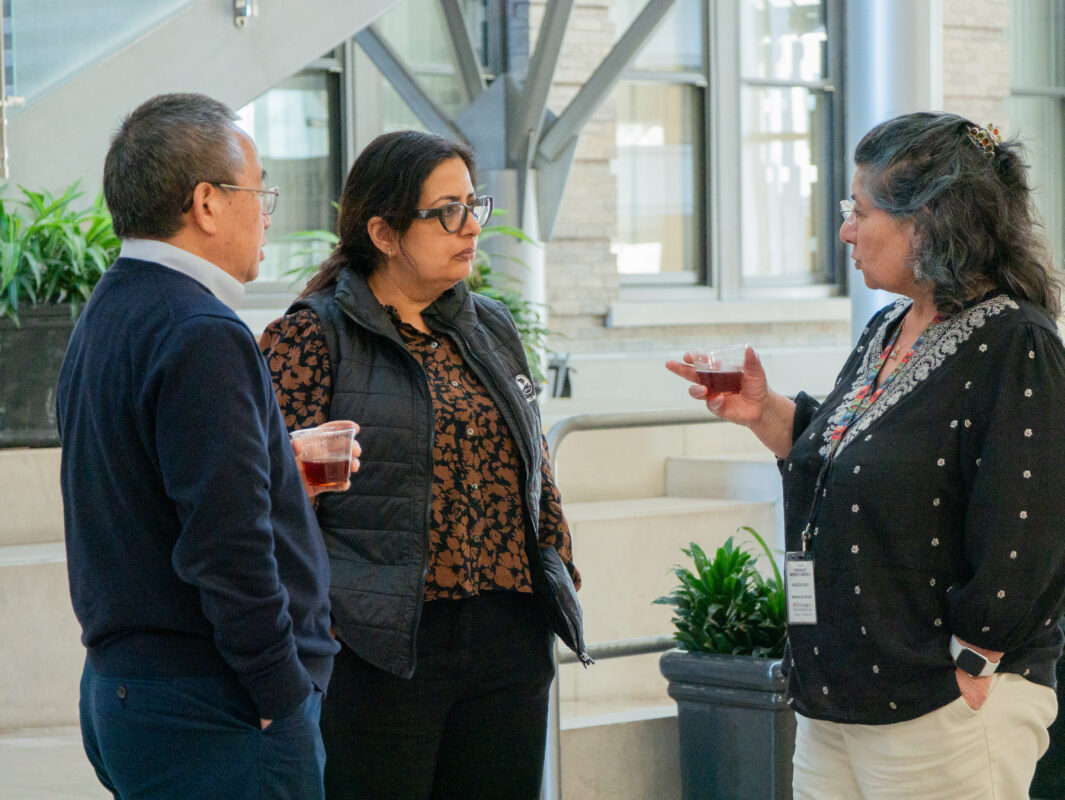
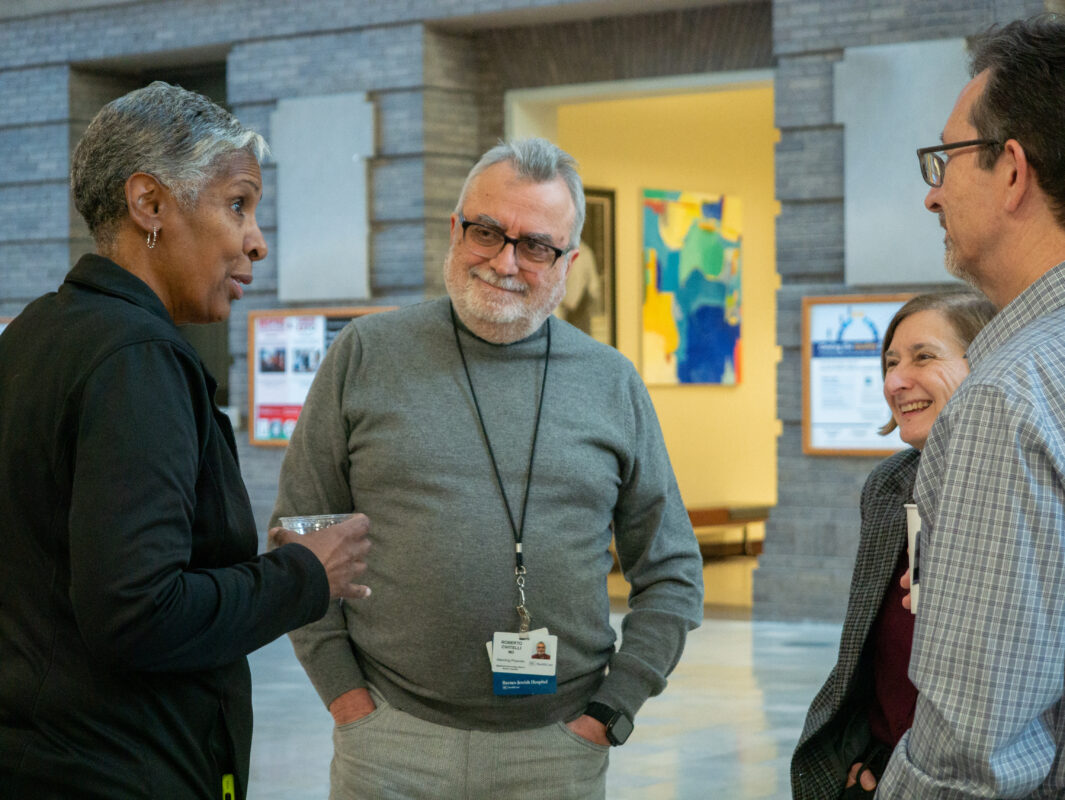
The remainder of the retreat focused on community-centered initiatives, starting with a networking break followed by a participant-led case study session.
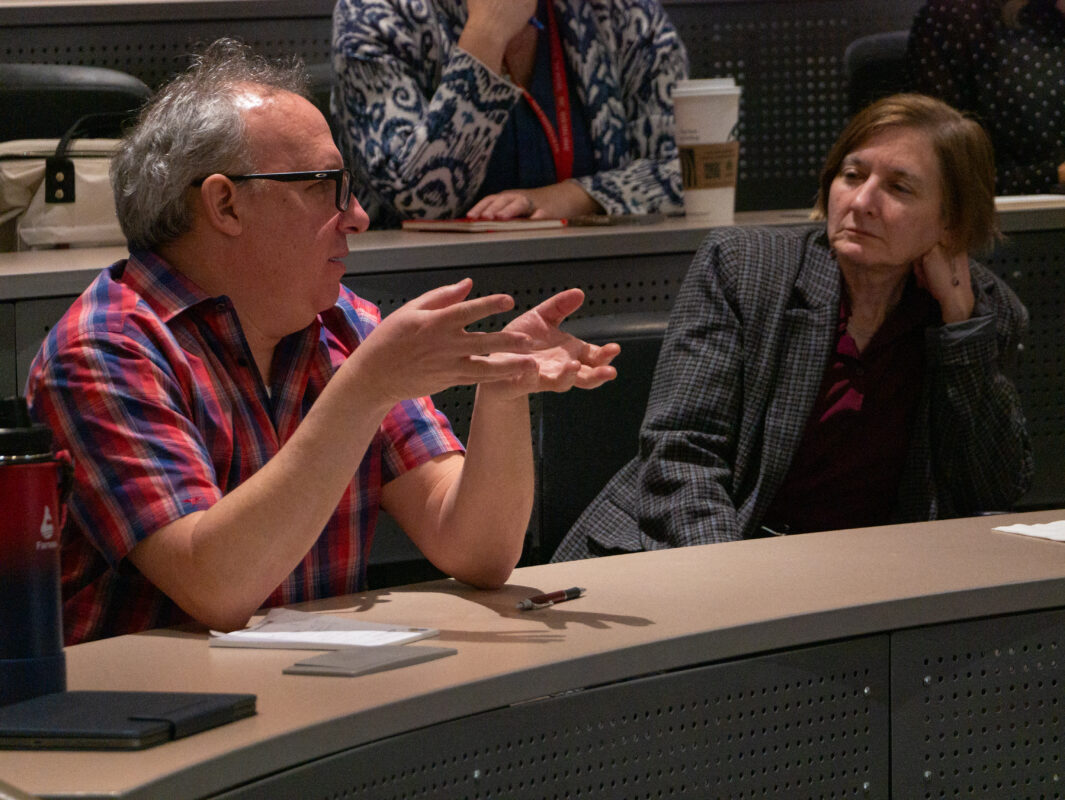
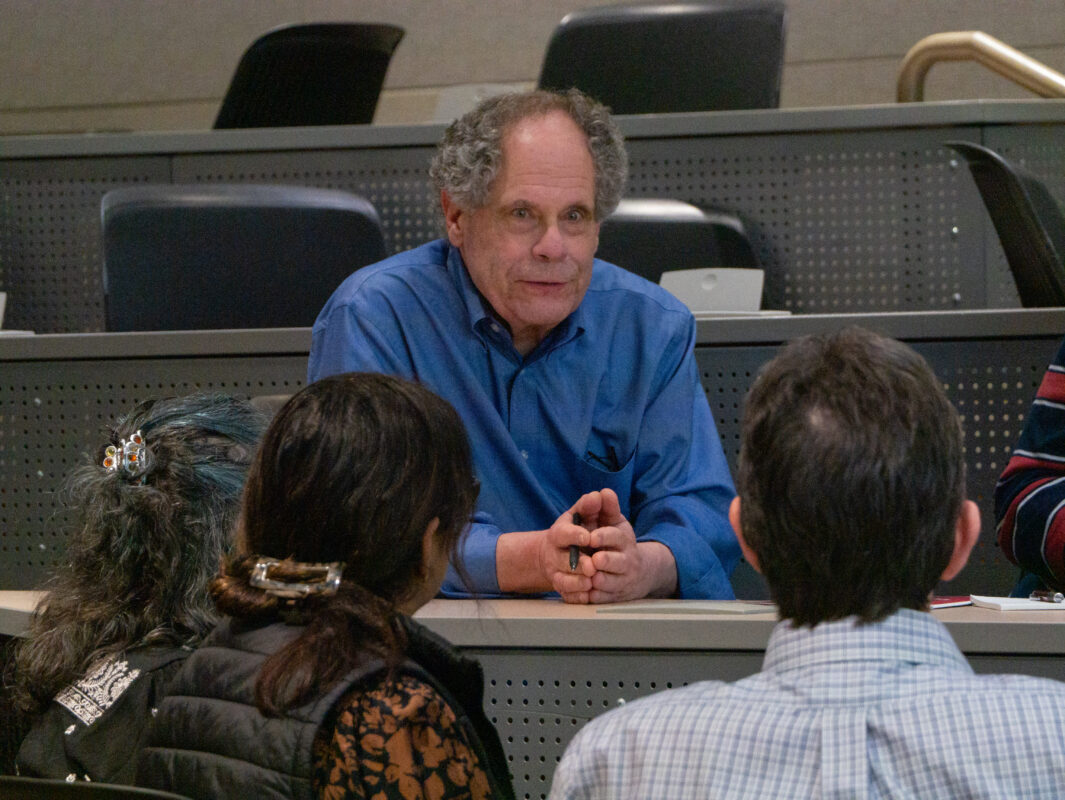
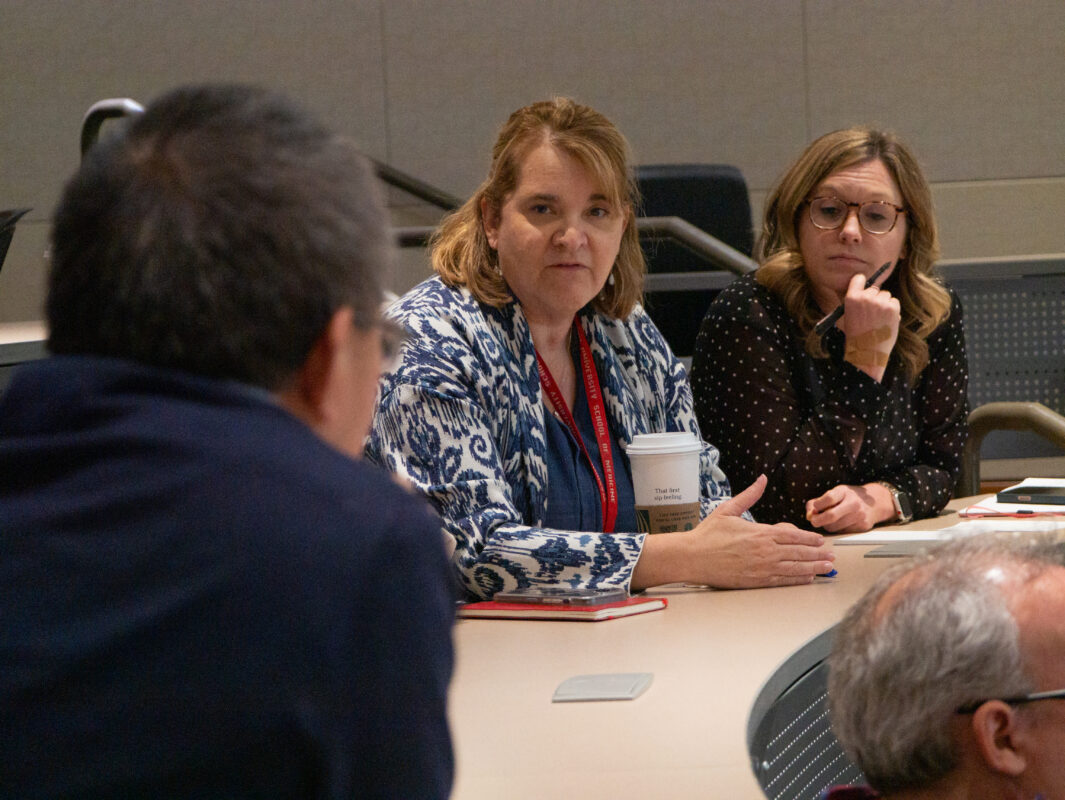
OTG Manager Hatice Goshtaiy facilitated the case study session, which was a powerful method for presenting broad and program-specific mentoring concerns. Discussions emerged on topics such as encouraging in-person camaraderie in an increasingly remote work culture, as well as ensuring proper recognition for previous project contributions. Faced with these dilemmas, the Mentor Champions collaborated to propose solutions, promoting teamwork and real-time problem-solving to enhance program outcomes.
Ultimately, mentoring is intended to advance a mentee’s career by accelerating their education and cultivating professional relationships. Each program should strive to have a cohesive and supportive infrastructure to drive program success, and that starts with mentor training. This MLP retreat served as a step towards more formal training within the university, paving the way for future programs at WashU and beyond.