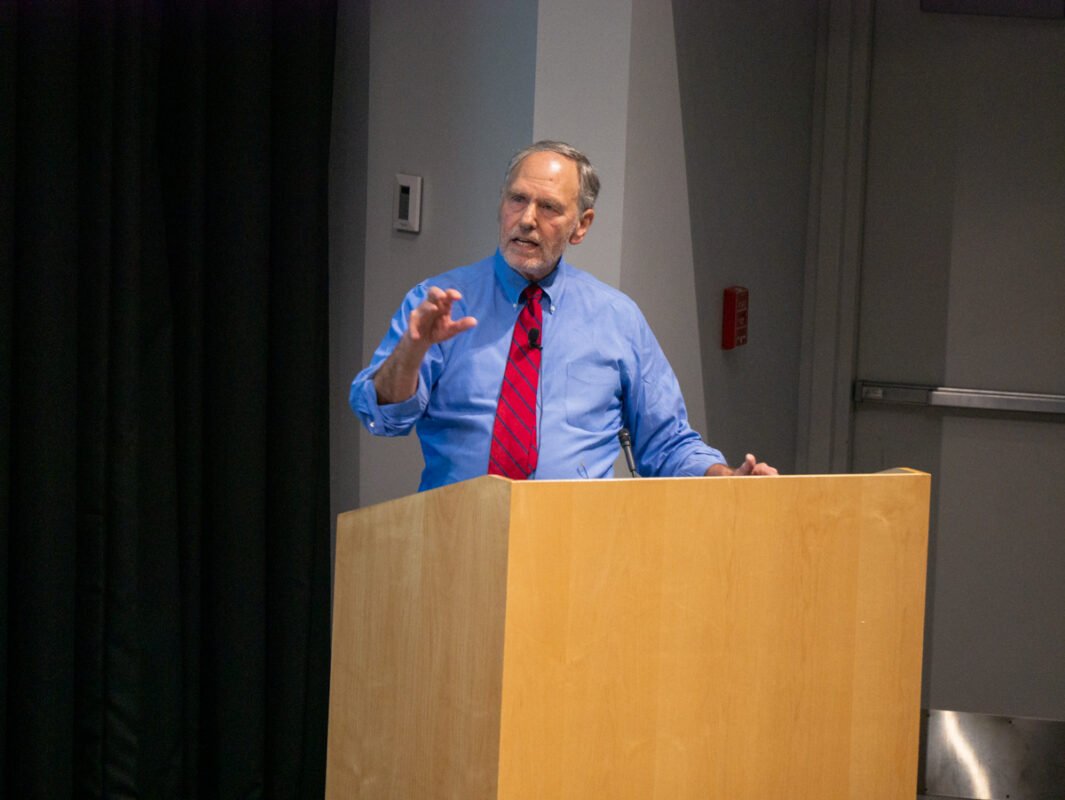
Over two intensive days, Dr. John Abramson, Harvard Medical School lecturer and author of Sickening: How Big Pharma Broke American Health Care and How We Can Repair It, guided WashU Medicine trainees and faculty through a transformative examination of the American health care system’s challenges and pathways to reform.
Session 1: Diagnosing the Crisis
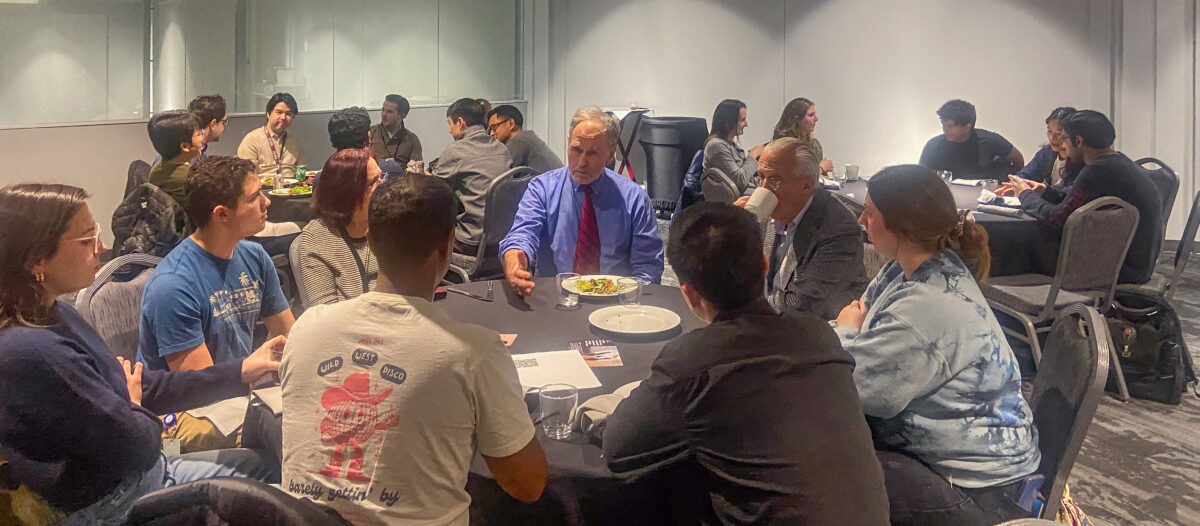
Dr. Abramson opened the series by exposing how medical knowledge has transformed from a public good into a commercial commodity. Through compelling data, he revealed that despite spending twice as much per capita on health care as comparable nations, Americans experience 700,000 excess deaths annually and have lost 1.4 years of healthy life expectancy since 2000. The root cause? A research ecosystem where 96% of funding flows to drugs and devices rather than population health, and 86% of clinical trials are commercially funded with predictably favorable results. Attendees learned how the 1980s shift toward industry-funded research created the “academic-industrial complex” that prioritizes profit over community health, with clinical practice guidelines riddled with undisclosed conflicts of interest and cost-ineffective treatments like Trikafta consuming health care dollars at over $1 million per quality-adjusted life year gained.
Session 2: Prescribing Solutions
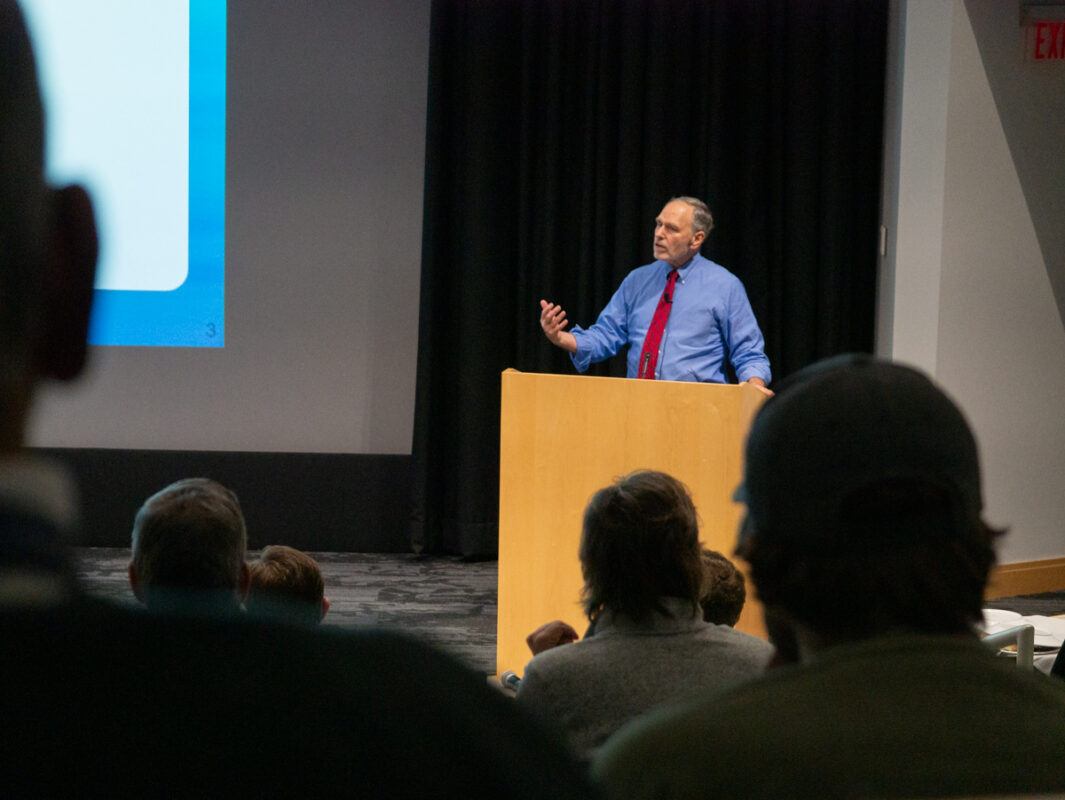
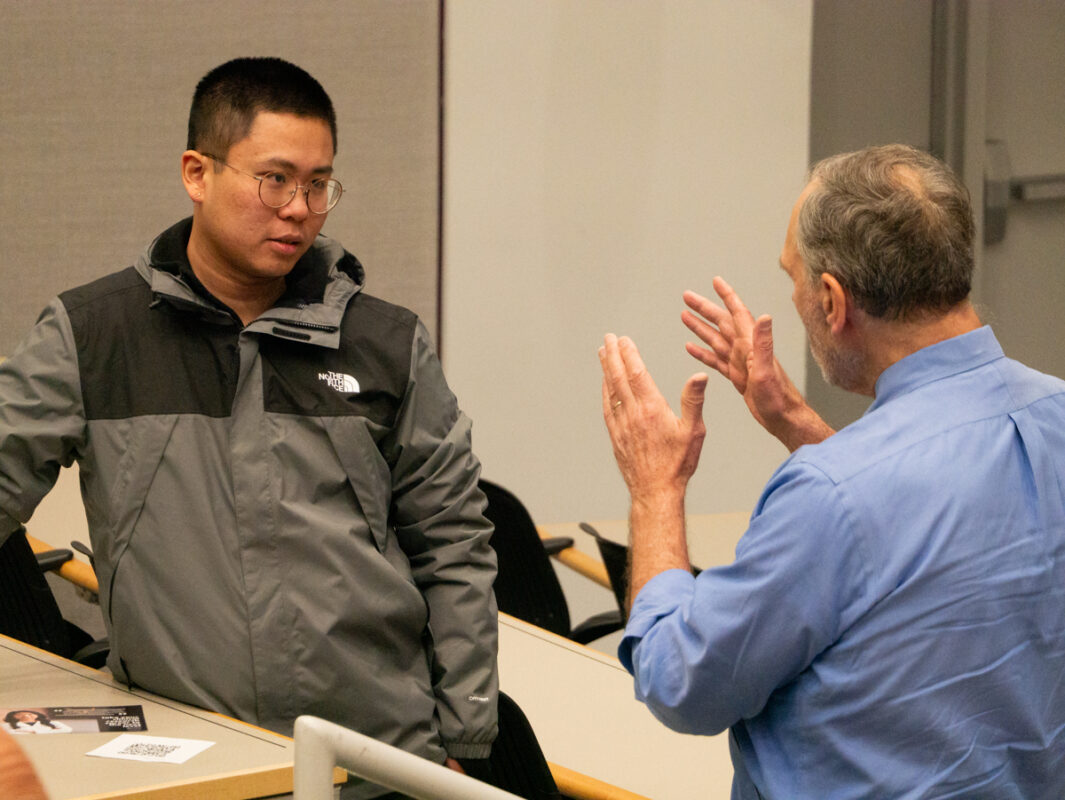
The keynote lecture addressed the question: how do we repair what’s broken? Dr. Abramson presented a roadmap for reform, emphasizing that the commercially-driven medical knowledge system exists primarily to serve funders’ financial interests rather than patients’ health needs. He outlined concrete policy solutions including restoring epidemiological balance in research funding, implementing mandatory transparency for clinical trial data, establishing formal health technology assessment in the U.S., and implementing drug price controls that reflect actual clinical value. Drawing on international comparisons, Dr. Abramson demonstrated how other wealthy nations achieve better health outcomes at lower costs through these mechanisms, and called on health care professionals to become change agents in demanding these reforms rather than passive consumers of industry-influenced evidence.
Session 3: Building Critical Evaluation Skills
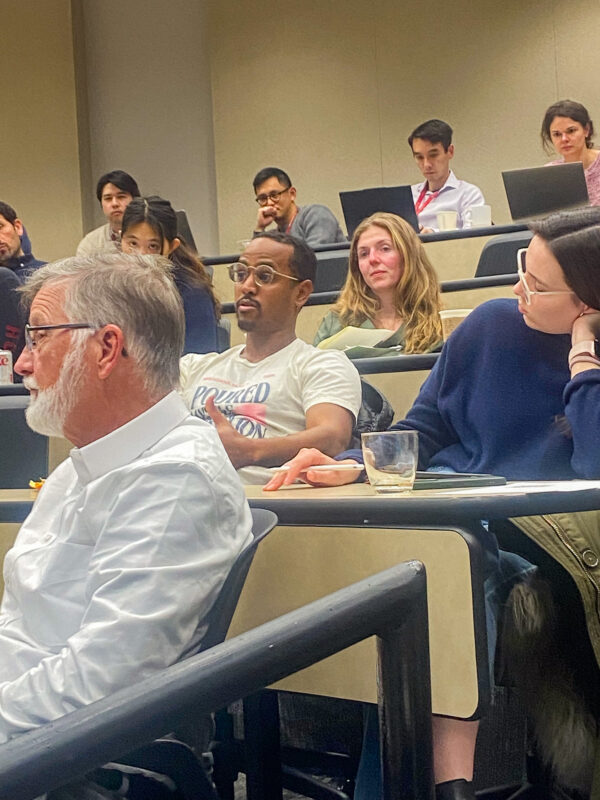
The final workshop armed attendees with practical forensic tools to identify fraud and deception in medical literature. Drawing from his extensive litigation experience, Dr. Abramson taught participants to compare published study results with FDA medical reviews (using the JUPITER statin trial as a case study), recognize red flags in clinical practice guidelines, assess author conflicts of interest, and conduct basic cost-effectiveness analyses. Through hands-on exercises evaluating drugs like Ubrelvy and real-world examples of selective outcome reporting, attendees learned that critical evaluation requires looking beyond the evidence-based medicine pyramid to question the integrity of underlying data.
Dr. Abramson emphasized that even well-intentioned physicians cannot make optimal clinical decisions when the evidence base itself is corrupted by commercial interests.
Impact and Takeaways
The three-session series attracted over 80 in-person attendees plus additional virtual participants, including predoctoral trainees, postdoctoral fellows, and faculty from across WashU Medicine and partner institutions. Participants left equipped with both the conceptual framework to understand health care’s structural problems and the practical skills to navigate a compromised evidence landscape. As one attendee noted, “Dr. Abramson didn’t just explain what’s wrong—he showed us how to think differently about the evidence we encounter every day and why reform matters for our patients.”
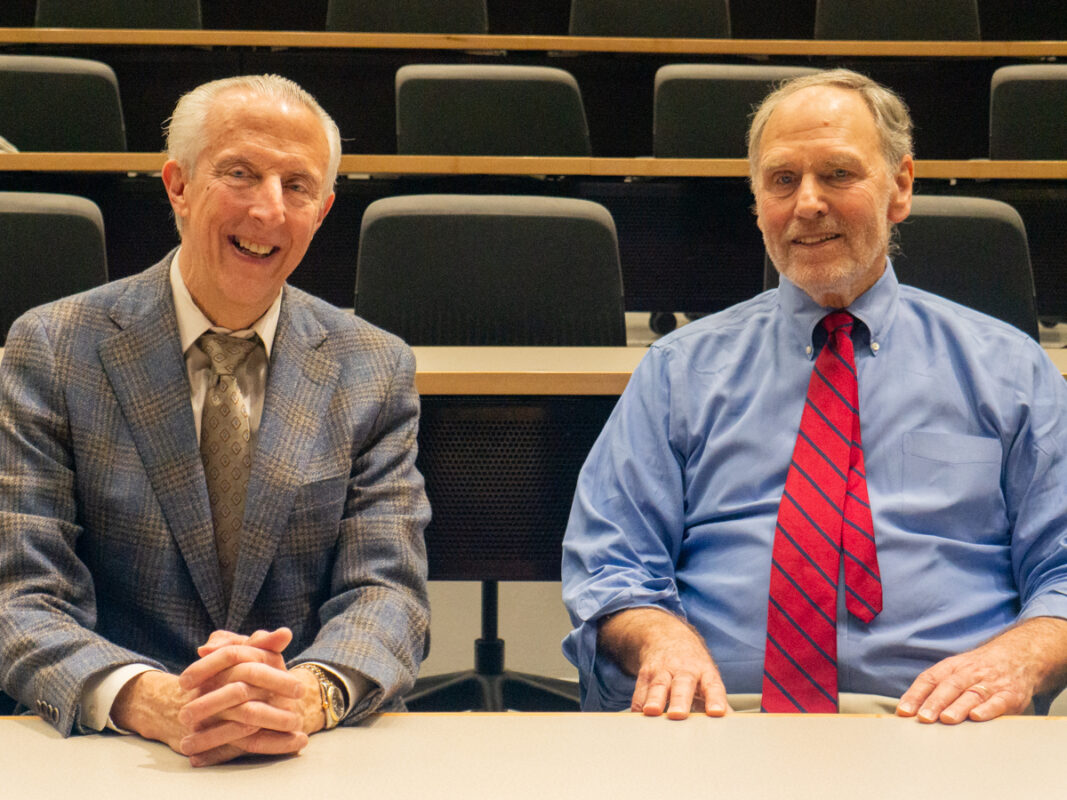
The series, sponsored by Dr. Jay Piccirillo and the WashU Medicine TL1 and R25 programs, fulfilled Responsible Conduct of Research (RCR) credit requirements while challenging participants to consider their role as future health care leaders in supporting a system that genuinely serves community health over commercial interests.