Every year, top researchers and rising leaders from across the nation gather at conferences and meetings aimed at advancing medicine. When bright minds come together in one space, these professionals can learn about ongoing research efforts, discuss challenges within the scientific community, and build connections for future collaborations.
Throughout the past year, numerous scholars and trainees from the WashU Medicine Clinical Research Training Center (CRTC) have proudly represented our center and institution through virtual meetings and national conferences. Along the way, they have showcased our community’s accomplishments while further developing their research skills and strengthening relationships with colleagues at other institutions.
Cultivating New Connections
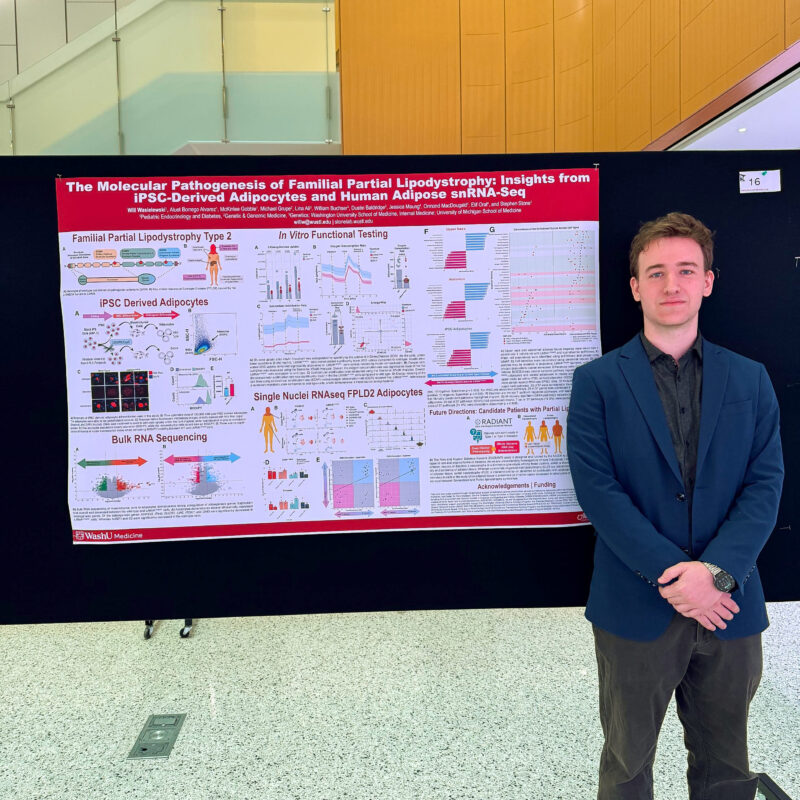
WashU, Harvard University, and the University of Minnesota each recently established an R25 program dedicated to training postbaccalaureate researchers in diabetes, endocrinology, and metabolic diseases (DEM). Although each R25 program offers unique training experiences, their shared support from the National Institute of Diabetes and Digestive and Kidney Diseases (NIDDK) provides a common ground for collaboration. This year, the University of Minnesota hosted the inaugural R25 inter-site symposium, North Star Convergence, providing opportunities to build connections and exchange knowledge.
Although the symposium lasted only one day, its lasting impact will extend far into the future. The day was filled with presentations, poster sessions, speed mingling, and even a bonding experience at a local escape room (which they successfully escaped). Three of four WashU scholars in cohort one attended the symposium, and the feedback was overwhelmingly positive:
It was a great opportunity to meet other peers in the same postbacc position and be able to share where we are at in our process of matriculating to grad school. It was also a great experience to meet mentors from other universities and be able to network while sharing my own research.
R25 postbaccalaureate trainee
Our scholars demonstrated their refined skills as they proudly presented their research during poster sessions. First-year scholar Will Wasielewski was selected to present his work for evaluation in the “Poster Teaser Awards.” With a compelling presentation on iPSC-Derived Adipocytes and Human Adipose snRNA-Seq, he earned the award for best poster. Beyond strengthening scientific communication skills, this symposium showcased research taking place across NIDDK-funded programs while cultivating connections with peers and leaders in the DEM research community.
Exploring Contrasting Perspectives
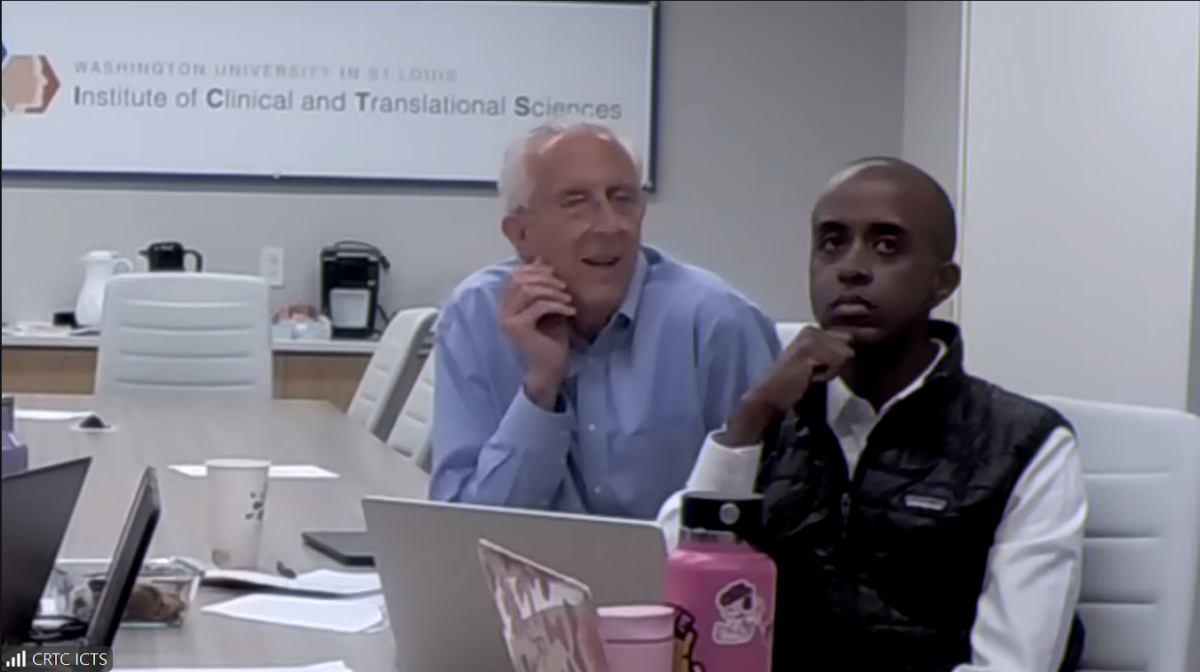
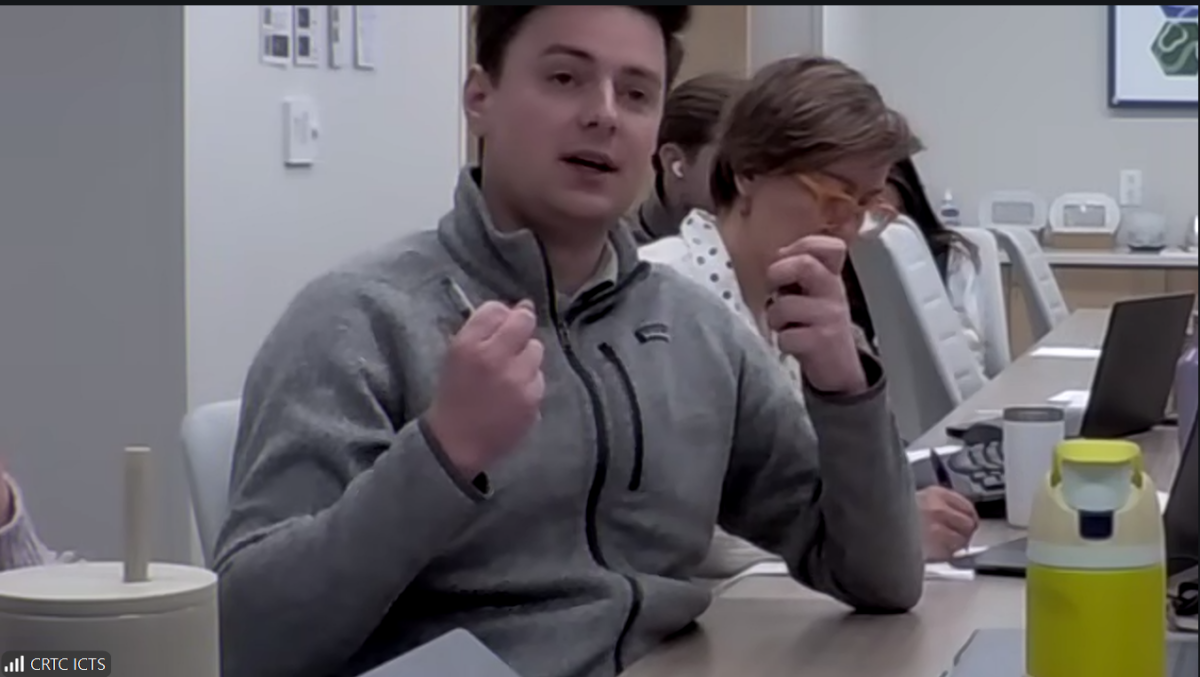
For the past five years, as part of the William Schnaper TL1 Visiting Scientists Program, our predoctoral and postdoctoral TL1 trainees have participated in an annual debate connecting trainees across the Clinical and Translational Science Awards (CTSA) program. This tradition explores timely translational topics and challenges trainees to evaluate scientific evidence, develop arguments as a team, and engage with perspectives beyond their own.
This year’s debate against the University of Michigan T32 team examined the pros and cons of acetaminophen (Tylenol) use during pregnancy. The WashU team was assigned to argue against its use, while the University of Michigan team was assigned to argue in favor. Jumping into their arguments, the WashU team expressed safety concerns for patients in this vulnerable population and limited evidence establishing whether Tylenol exposure during pregnancy contributes to neurodevelopmental conditions in offspring. However, the University of Michigan team cited the potential harm from not treating fever or chronic pain as well as the longstanding safety record of Tylenol use. Both teams effectively introduced the topic, presented their arguments, and then responded to questions regarding their stance.
Even if an assigned position does not reflect a trainee’s personal beliefs, the debate format pushes them to investigate arguments from multiple viewpoints, analyze available data, present compelling evidence, and engage with perspectives different from their own. Without these skills, our trainees can lose sight of what matters most…the patients they ultimately serve. Not every patient will automatically trust every finding presented through science, but by prioritizing open dialogue, researchers and clinicians can communicate available options, acknowledge uncertainty, and discuss associated risks.
Building Trustworthy Translation
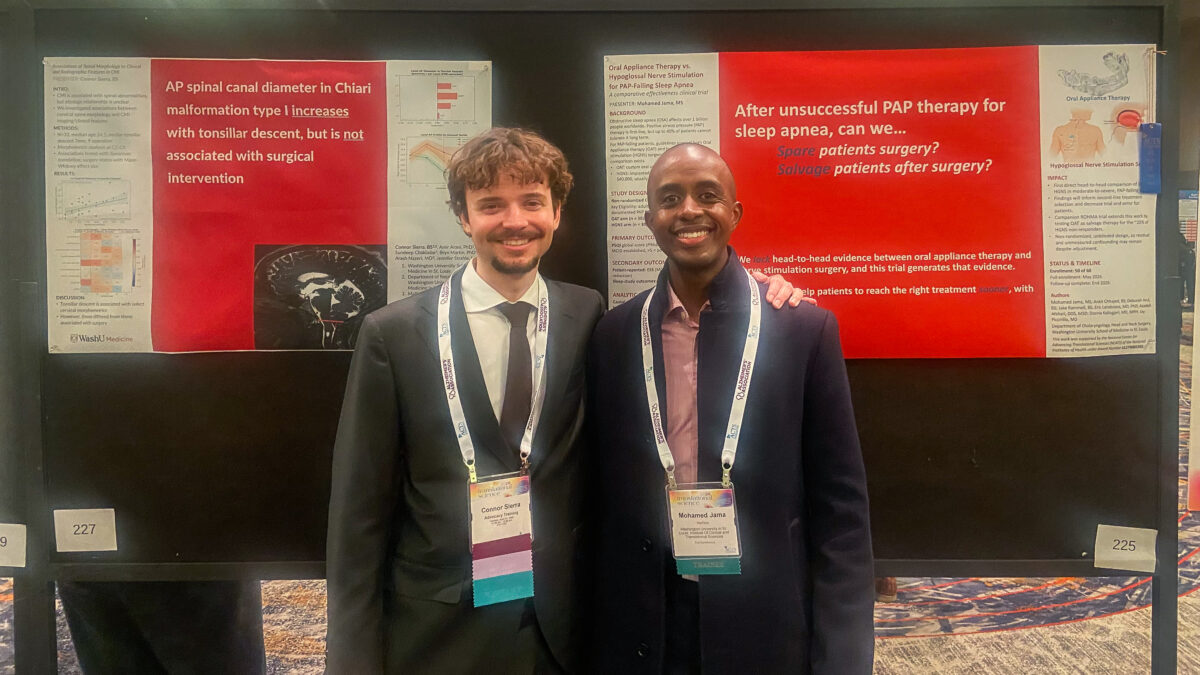
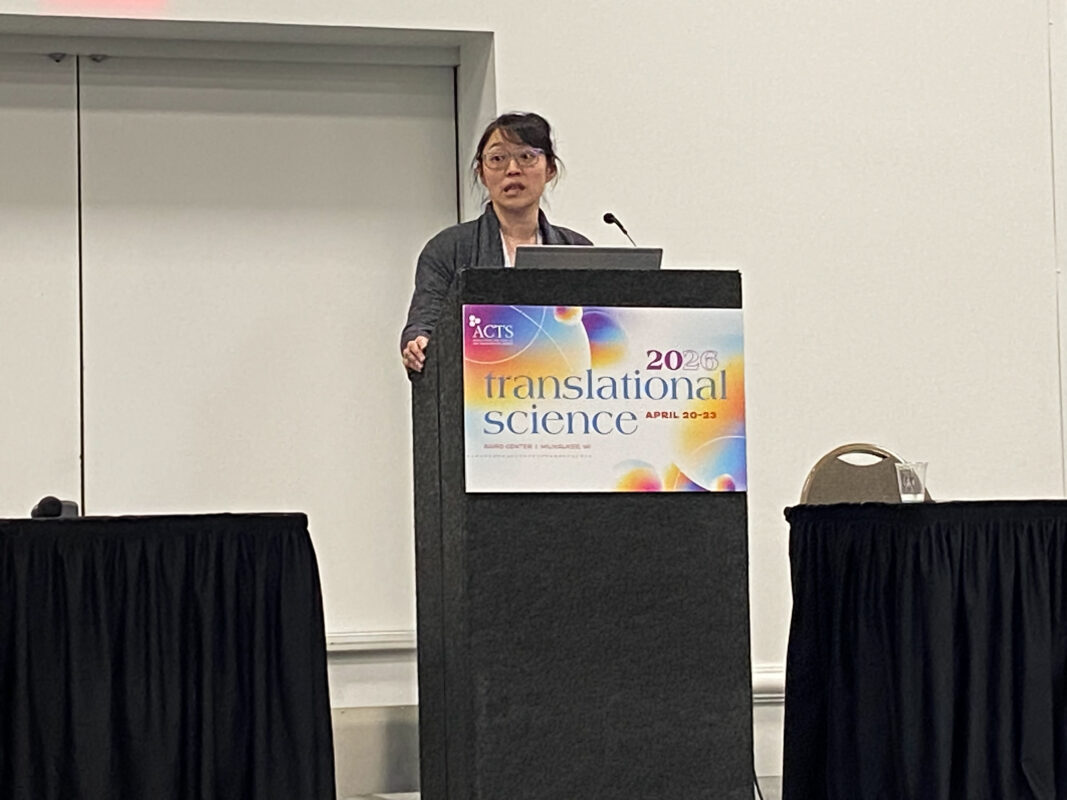
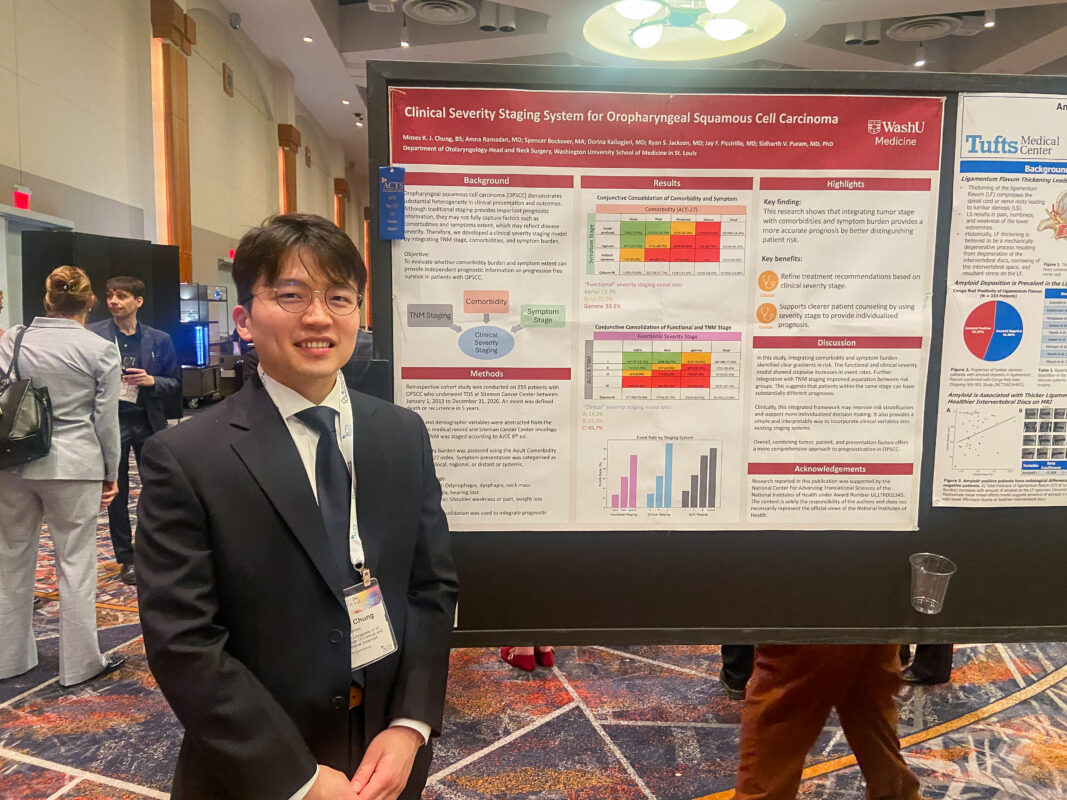
Attending the annual Association of Clinical and Translational Sciences (ACTS) conference has been a longstanding tradition for our TL1 trainees and KL2 scholars. Whether held in Washington, DC, Chicago, Las Vegas, or Milwaukee, the four-day conference unites talent from across the nation for scientific sessions, networking, and collaboration.
This year’s conference, Translational Science 2026 (TS26), was hosted in Milwaukee and revolved around the theme Building Trustworthy Translation: Rigor, Reproducibility, and Real-World Impact. These principles are emphasized throughout our scholars’ training as they design projects, conduct research, and present their findings. Through interactions with peers and leaders from across the country, our trainees and scholars gained new insights while contributing to the exchange of ideas that advances translational science.
The CRTC community had a strong presence at TS26. TL1 trainee Mohamed Jama competed in the Three Minute Thesis (3MT) competition, showcasing his research and strong communication skills. KL2 scholar Iris Lee, MD, was recognized among the top 50 posters and selected for a podium presentation. TL1 Program Administrator Adisa Kalkan served on the conference planning committee. In addition to these notable achievements, all of the trainees presented their work during poster sessions; Jama and TL1 trainee Moses Chung earned blue ribbons for their work. Together, these accomplishments reflect the dedication of the CRTC community to rigorous research and effective scientific communication.
From cultivating new connections to exploring complex scientific questions and sharing discoveries with the broader research community, our trainees and scholars continue to embrace opportunities that strengthen their development as future leaders in medicine. Through these experiences, the CRTC community moves closer to its shared goal of advancing human health.