An invasive fungal sinusitis diagnosis poses a high risk of morbidity and mortality. Although the condition is rare, treatment options are harsh. Aggressive surgeries and toxic antifungals are currently the primary options, which only compounds the danger for the many patients who are already immunocompromised or at risk. However, by dedicating research efforts to further understanding the condition, scientists can accelerate the development of preventative measures and safer treatments.
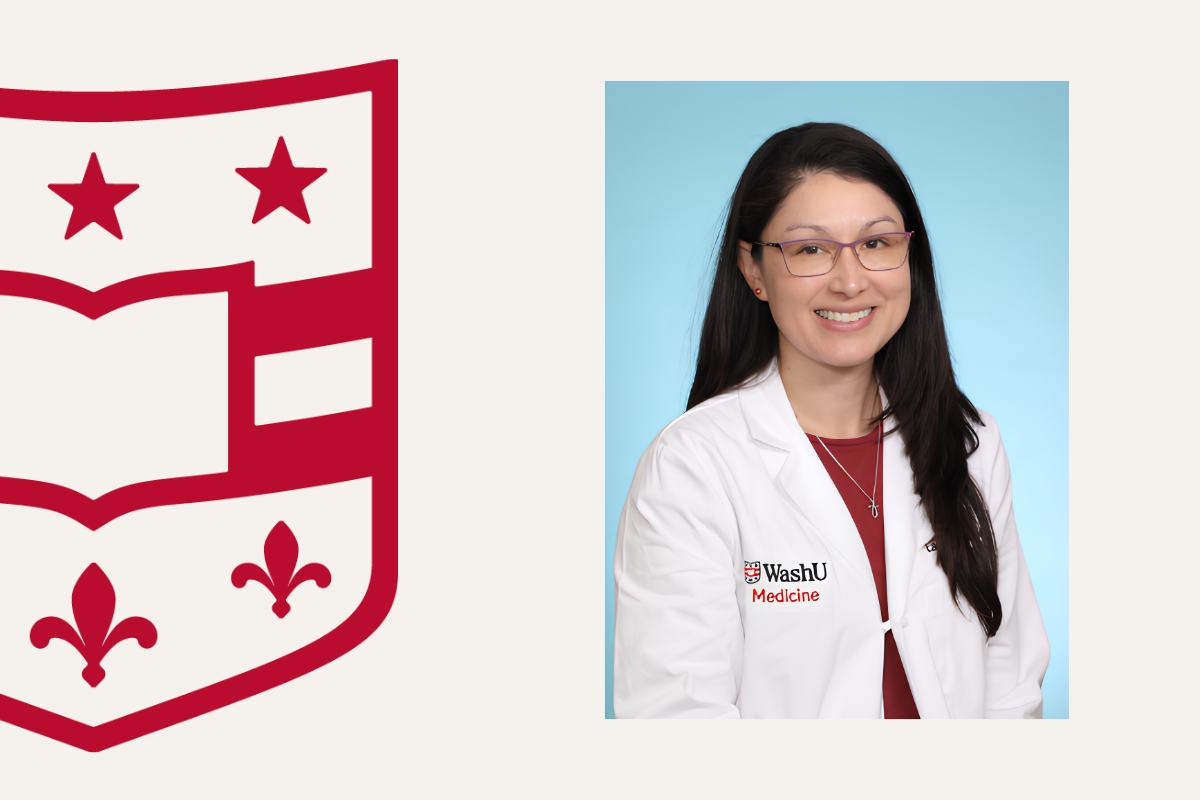
KL2 and MTPCI alum Lauren Roland, MD, MSCI was recently awarded two NIH grants totaling over $1.5 million to conduct research on invasive fungal sinusitis. Her time as a rhinology fellow exposed her to the critical need for improved care for this disease, and now as an assistant professor of otolaryngology, she is leading the way for change. Dr. Roland’s five-year K23 grant from the National Institute of Allergy and Infectious Diseases (NIAID) provides $1.35 million for her project, “Fungal Aggressiveness and Sinonasal Tissue Dysregulation in Invasive Fungal Sinusitis.” Additionally, her two-year R03 grant from the National Center for Advancing Translational Sciences (NCATS) awards her $155,000 for her project, “Establishing a National Consortium to Investigate Adaptive Immune Responses in Invasive Fungal Sinusitis.”
Sharing her vision for the research, Dr. Roland noted:
I hope to transform how we think about and treat this disease, which will be important as medical advances have allowed for increased survival after cancer diagnoses and bone marrow transplantation.
Lauren Roland, MD, MSCI
As part of her projects, she will establish a national biobank to gather a larger collection of blood and tissue specimens. This expanded resource will allow researchers to investigate adaptive immune tissue and blood dysregulation on a broader scale while controlling for comorbidities and geographic factors. Additionally, she will study and sequence the fungal isolates from infected patients to learn more about possible aggressive mutations and factors, and grow patient epithelial cells in lab models to simulate sinusitis in real-time. These findings will help inform the development of targeted, topical intranasal treatments that pose lower risks to a patient’s overall health.
Securing independent NIH funding marks a major milestone in a physician-scientist’s career, making her achievement a proud moment for the WashU Medicine Clinical Research Training Center (CRTC). As an alum of the Mentored Training Program in Clinical Investigation (MTPCI) and the KL2 Career Development Awards Program, Dr. Roland credits these experiences with preparing her to tackle complex challenges like invasive fungal sinusitis.
The KL2 program was transformative in my career development. I was immediately supported by like-minded physician-scientists who have helped me critically think about my work, collaborate, and develop new ideas.
Lauren Roland, MD, MSCI