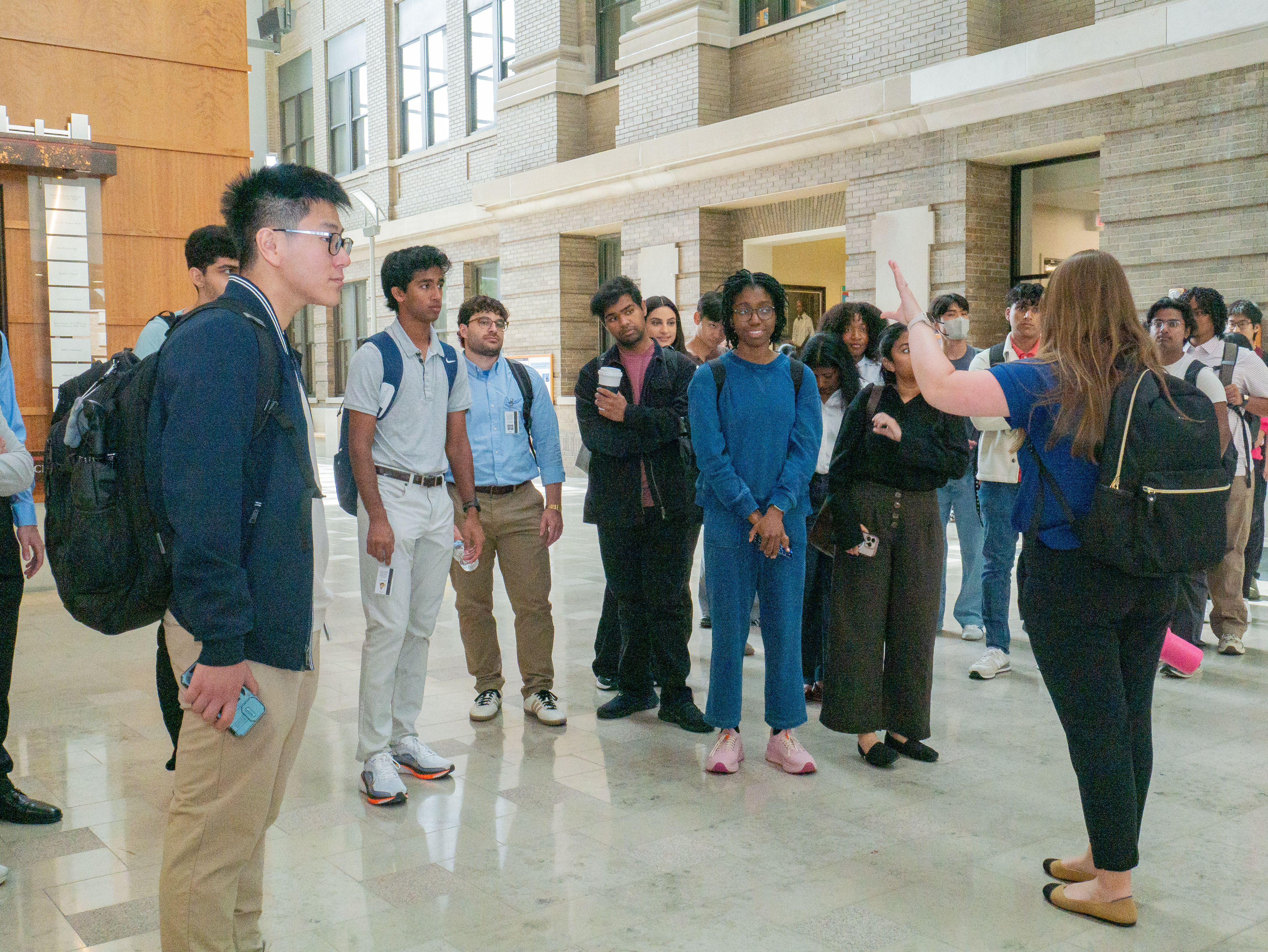
Earlier this month, the WashU Medicine Clinical Research Training Center (CRTC) welcomed our newest trainees. For some, it was their first time on the Medical Campus, and for others, it was their first time in St. Louis. Regardless, our newest cohort of trainees for the Advanced Summer Program for Investigation and Research Education (ASPIRE) and the TL1 Predoctoral Clinical Research (TL1) Program arrived ready to connect and soak in as much learning as possible.
Two Structures. One Commitment.
ASPIRE follows an intensive two-month summer format that includes research education, seminars, and a mentored research project. Working alongside WashU mentors on active projects, our students gain insight into the infrastructure of the research operation and can discover specific areas of interest. The program is designed to equip participants with skills that will enhance their research projects. For the first time, ASPIRE was opened to predoctoral trainees, expanding the program to both undergraduate and predoctoral students. Now halfway through the program, ASPIRE trainees are preparing for final presentations in the upcoming month. We look forward to learning about their project contributions and evaluating their academic development over the course of the program.
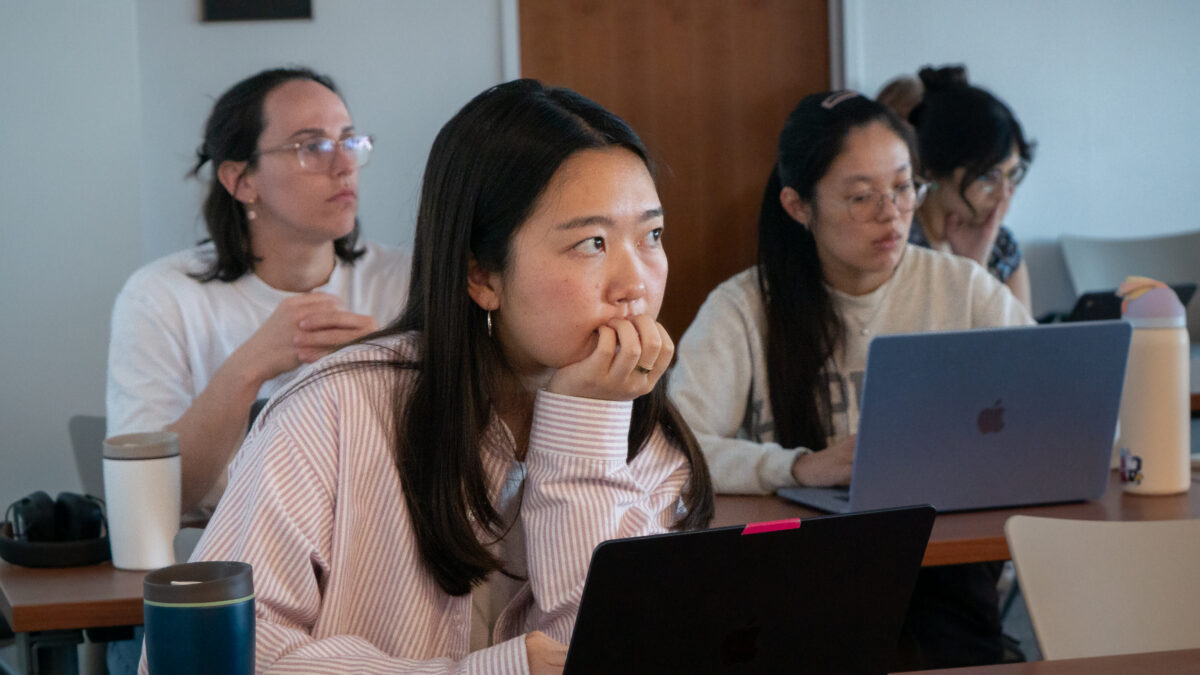
For our TL1 trainees, their research journey is just beginning as they embark on the one-year program. Like ASPIRE, the TL1 program emphasizes mentored research, didactic training, and seminars, but its year-long structure allows predoctoral students deeper training and sustained project development. Whereas ASPIRE students contribute to an existing research project, TL1 trainees propose a project and work alongside a mentor to design and execute it. Participants will also benefit from the Master of Science in Clinical Investigation Certificate, Pre/Postdoctoral Interdisciplinary Research Training in Translation (PIRTT) seminars, and bi-annual mentorship committee meetings. We are excited to follow the progression of their projects and research education.
TL1 Projects
- Yuanyuan “Yoyo” Ding | MD Candidate | Department: Public Health | Mentor: Dr. Susy Stark
- Project: “Do Sensory Abnormalities and Pre-clinical Alzheimer’s Disease Predict Sooner Occurrence of Falls?”
- Savannah Powles | PhD Candidate | Department: Radiology | Mentor: Dr. Tammie L.S. Benzinger
- Project: “Investigating the Neuroinflammatory Role of S1PR1 in Alzheimer’s Disease Progression”
- Sophia Xu Tang | MD Candidate | Department: Otolaryngology | Mentor: Dr. Sid Puram
- Project: “Implementation and Impact of Online Perioperative Education Program for Patients Undergoing Head and Neck Surgery”
- Carrie Reaver | MD Candidate | Department: Orthopedics | Mentor: Dr. Simon Tang
- Project: “Toward Precision Medicine in Degenerative Disc Disease: VEGFA-Associated Genomics and Clinical Predictive Modeling”
- Pranay Singh | MD Candidate | Department: Neurosurgery | Mentor: Dr. Jacob Greenberg
- Project: “Smartphone-Based Vibrotactile Testing as a Sensory Biomarker and Rehabilitation Platform in Degenerative Cervical Myelopathy and Chemotherapy-induced Peripheral Neuropathy”
Building Community
A benefit of ASPIRE and TL1 trainees beginning their research simultaneously is the opportunity to build community. Bringing together trainees from different institutions and training levels creates space for learning and mentorship. Predoctoral students may have already experienced challenges that undergraduate students are preparing to face, while undergraduate students often bring fresh perspectives that benefit everyone. Some skills transcend training level; whether discussing research ethics, results reporting, or presentation skills, ASPIRE and TL1 trainees benefit not only from structured training but also from learning alongside one another in a supportive community.
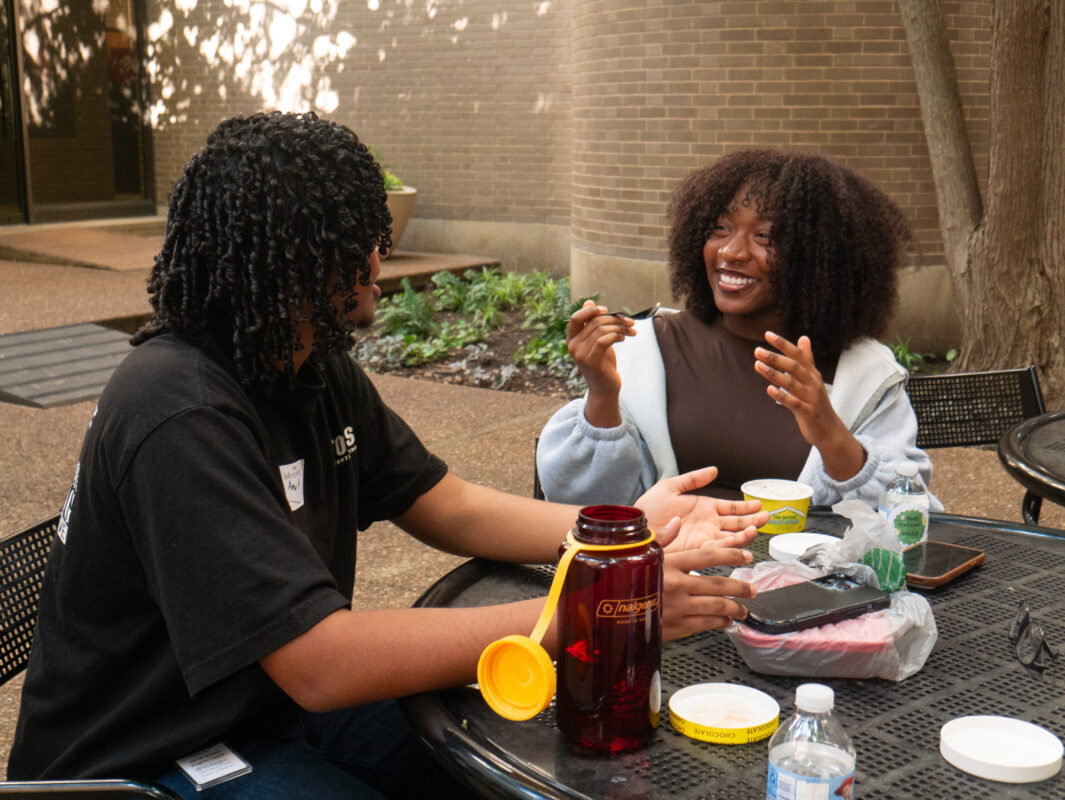
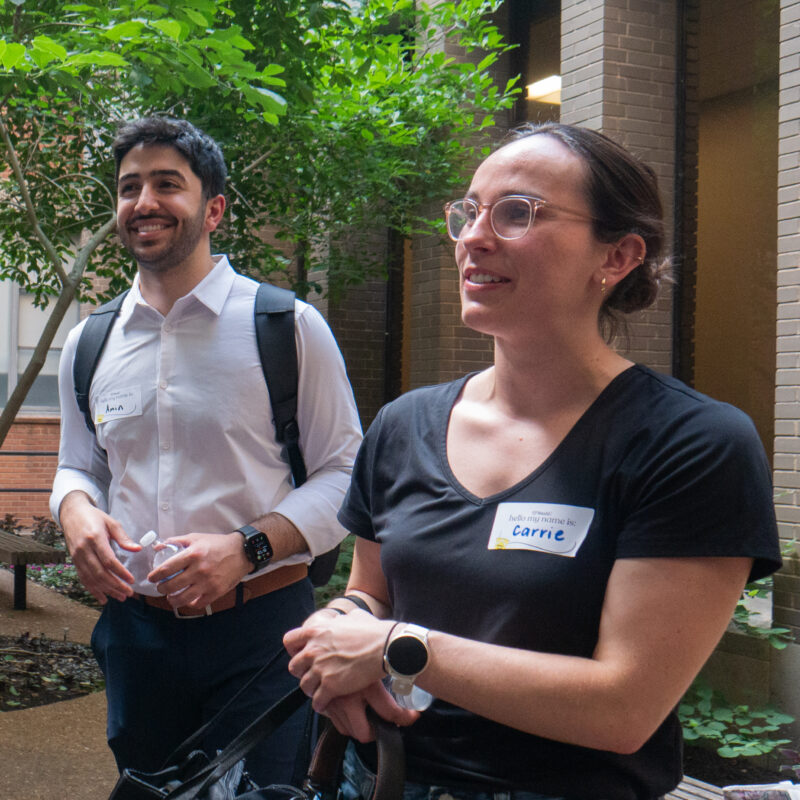
To help cultivate those connections, TL1 and ASPIRE Director Jay Piccirillo, MD, FACS graciously hosted an ice cream social, giving trainees from both programs the opportunity to get to know one another while enjoying a St. Louis classic: Ted Drewes frozen custard. Faces lit up and conversations flowed as trainees took a break from their research to relax. Some have already begun exploring the city together, and we look forward to seeing these connections grow into lasting friendships and future research collaborations.